What happens
In an awake craniotomy, you are asleep or heavily sedated while the scalp and skull are opened, then woken gently for the part of the operation near the important areas. The scalp is numbed with local anaesthetic; the brain itself has no pain receptors, so it does not hurt.
While you are awake, a specialist asks you to name pictures, count, talk or move your hand. The surgeon stimulates the brain surface with a tiny current to map which areas control those functions, then removes the tumour while you keep talking or moving. If anything changes, the surgeon stops at that point.
Who it helps
- Tumours, especially gliomas, in or near the language areas (usually on the left side)
- Tumours near the motor strip, which controls movement
- Some epilepsy surgery near these areas
It is not for everyone. Severe anxiety, difficulty communicating, or some medical conditions can make a conventional operation under general anaesthesia with neuromonitoring the better choice.
Dr Gupta’s practice
Awake brain surgery is one of the specific areas of work listed in Dr Gupta’s Yashoda profile, used together with neuronavigation, neuromonitoring and intraoperative imaging. Preparation matters: you will know exactly what will happen, what you will be asked to do, and who will be with you, before the day.
Questions
Does awake brain surgery hurt?
The scalp is numbed with local anaesthetic and the brain has no pain receptors, so the part done while you are awake is not painful. You are asleep or sedated while the skull is opened and closed.
Why would I need to be awake?
So the team can test your speech or movement while removing a tumour beside those areas, and stop before those functions are harmed.
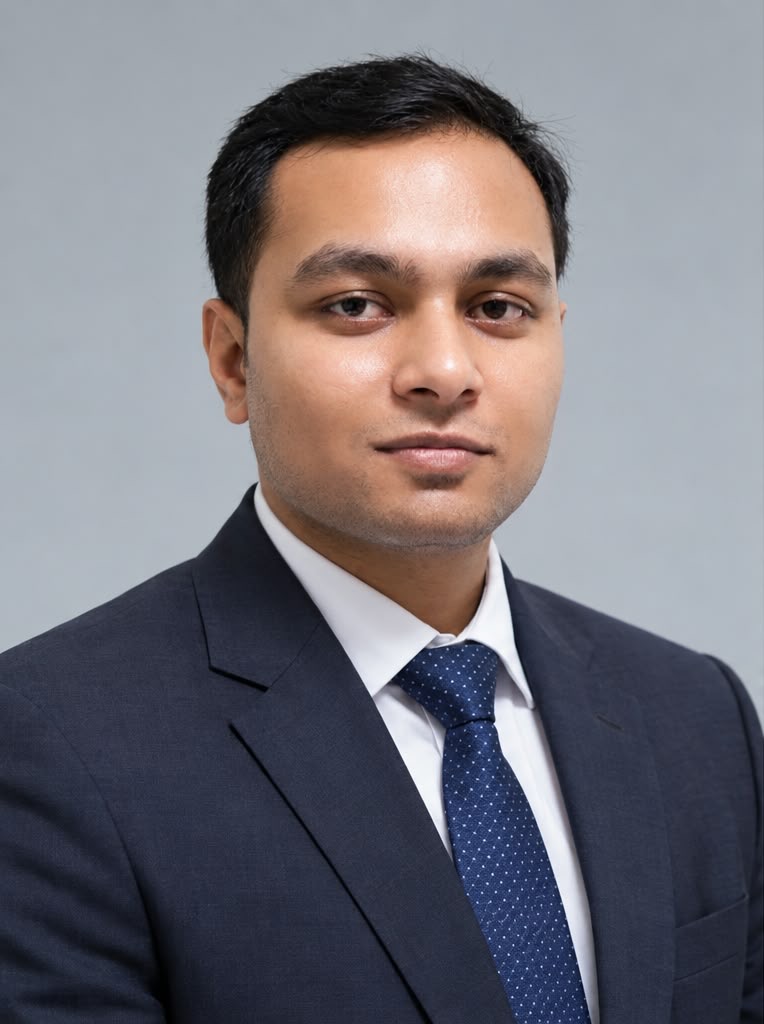
About Dr Gupta
This page explains the condition in general terms and is written for patients and families. It is not a diagnosis. Decisions about treatment are made in consultation, with your scans. In an emergency, go to the nearest hospital emergency department.