Who is it for
Epilepsy surgery is considered when seizures continue despite two appropriate medicines taken properly (drug-resistant epilepsy), and when tests show the seizures start from one area of the brain that can be removed or disconnected safely. Common causes found in surgical patients include scarring in the temporal lobe (mesial temporal sclerosis), developmental malformations, low-grade tumours and cavernomas.
The evaluation
Epilepsy surgery is decided by a team, usually a neurologist, neurosurgeon, radiologist and psychologist, after tests such as:
- A dedicated epilepsy-protocol MRI
- Video-EEG, recording seizures on camera and EEG together
- Memory and language testing, and sometimes PET or SPECT scans
Types of surgery
- Removal of the area where seizures start, such as a temporal lobe resection
- Removal of a lesion, such as a tumour or cavernoma, causing the seizures
- Disconnection procedures that stop seizures spreading
- Neuromodulation, such as vagus nerve stimulation, when removal is not possible
Dr Gupta’s role
Epilepsy is listed among the conditions Dr Gupta treats in his Yashoda profile, alongside tumours and cavernomas, which are common surgical causes of seizures. Where the area involved is close to speech or movement, awake surgery and neuromonitoring help protect those functions.
Questions
Can epilepsy be cured with surgery?
For carefully selected patients whose seizures start from one removable area, surgery offers a good chance of freedom from seizures. Not everyone is a candidate, which is why the evaluation comes first.
Will I still need medicines after epilepsy surgery?
Usually yes, at least for a while. Medicines are reduced slowly and only if seizures stay controlled, under the neurologist's guidance.
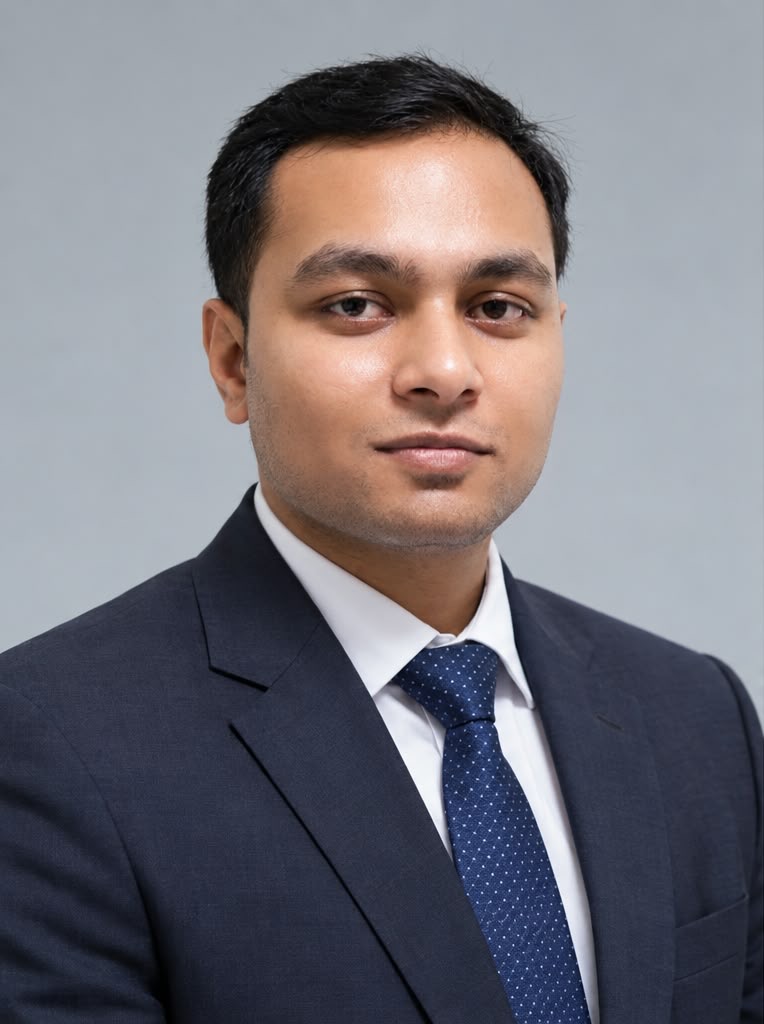
About Dr Gupta
This page explains the condition in general terms and is written for patients and families. It is not a diagnosis. Decisions about treatment are made in consultation, with your scans. In an emergency, go to the nearest hospital emergency department.