Conditions treated in children
- Hydrocephalus: a build-up of fluid in the brain, causing a large or fast-growing head in babies, or headache and vomiting in older children
- Brain tumours, the commonest solid tumours of childhood, many of them treatable
- Head injuries from falls and road accidents, and chronic subdural haematoma in infants
- Spina bifida and other conditions present at birth, such as encephalocele
- Craniosynostosis, where skull bones join too early and change head shape
When to get a child checked
- A baby’s head growing faster than expected, or a tense, bulging soft spot
- Morning headaches with vomiting in a school-age child
- A new squint, unsteady walking, or loss of skills the child already had
- Seizures, or unusual drowsiness after a head injury
Dr Gupta and paediatric neurosurgery
Paediatric neurosurgery is one of Dr Gupta’s listed areas of work, and he is a member of the International Society for Pediatric Neurosurgery. His published research includes a study of paediatric chronic subdural haematoma: predisposing factors and outcomes (Child’s Nervous System, 2021).
Questions
Can hydrocephalus be treated?
Yes. It is usually treated with a shunt, a thin tube that drains the extra fluid to the abdomen, or in suitable cases with an endoscopic operation (ETV) that creates a new drainage path without a tube.
Are brain tumours in children treatable?
Many are. Outcomes depend on the type and position of the tumour, and treatment is planned with paediatric oncologists.
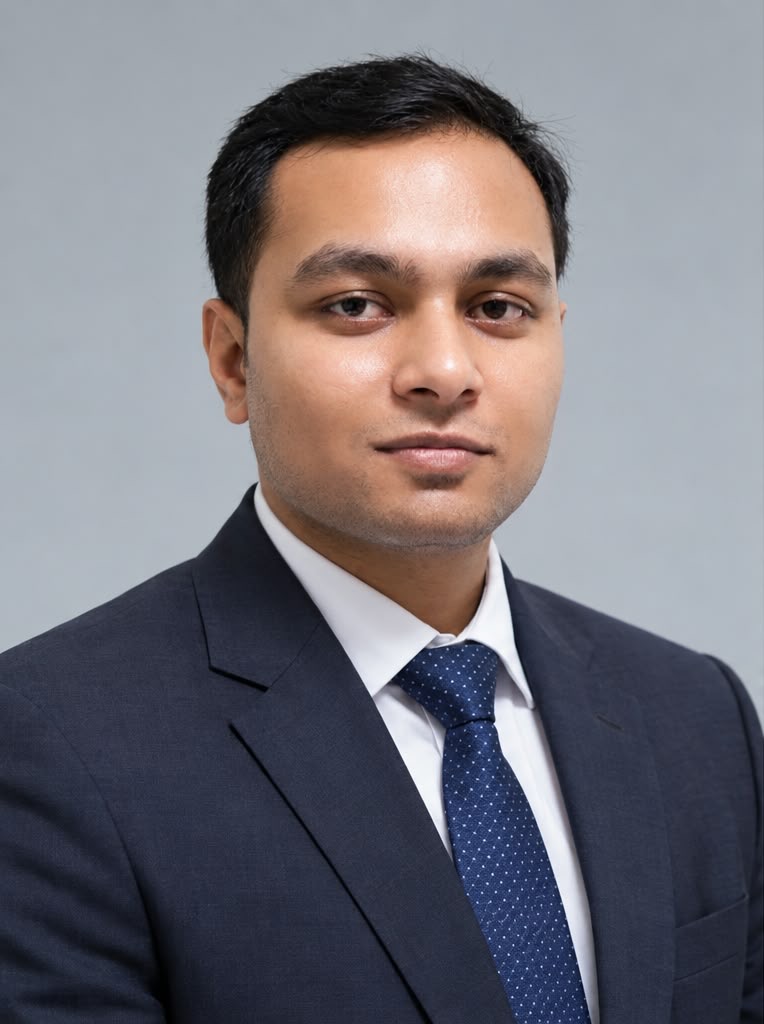
About Dr Gupta
This page explains the condition in general terms and is written for patients and families. It is not a diagnosis. Decisions about treatment are made in consultation, with your scans. In an emergency, go to the nearest hospital emergency department.